Extended Deadline: 30 November
Author Guidelines
The manuscripts must be prepared in English, following the IEEE two-column Manuscript Templates for Conference Proceedings (Available here). Submissions will be made using the CMT Microsoft system.
Submission Guidelines
The manuscripts must be prepared in English, following the IEEE two-column Manuscript Templates for Symposium Proceedings with a maximum length of six (6) printed pages including text, figures, and references. Submissions will be made using the CMT Microsoft system.
Where to Submit
The Symposium submission link is the following: https://cmt3.research.microsoft.com/ICEEAT2026
How to Submit
To submit papers all the users are invited to create a CMT account:
- Account creation: https://cmt3.research.microsoft.com/docs/help/general/account-creation.html
- How to submit a paper: https://cmt3.research.microsoft.com/docs/help/author/author-submission-form.html
CMT Acknowledgment
The Microsoft CMT service was used for managing the peer-reviewing process for this conference. This service was provided for free by Microsoft and they bore all expenses, including costs for Azure cloud services as well as for software development and support.
List of Topics
Authors are invited to submit one or more full papers to the following topic areas:

Electrical and Electronic Engineering
- Power systems
- Electrical machines & actuators
- Electric vehicles
- Robotics
- Power electronics
Advanced AI applications
- Internet of Things (IoT) and applications
- RFID networks and applications
- Embedded systems
- Sensors and nanotechnology
- Digital twins

Signal processing
- Signal and image processing
- Biomedical instrumentation
- Artificial intelligence and its medical applications
- Biomedical Engineering and Applications

Advanced technologies
- IoT and its applications
- RFID Network and Applications
- Embedded systems
- Sensors and nanotechnology
- Digital twins

Automation and control of system
- Control Theory and Applications
- Systems Modelling and Identification
- Industrial automation
- Intelligent Control Systems
- Fault Diagnosis & Monitoring
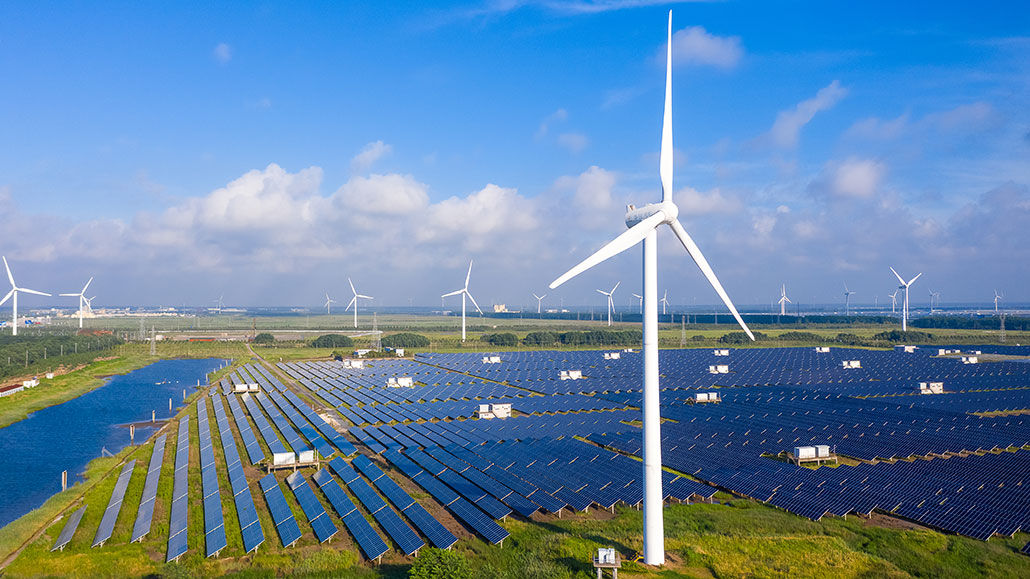
Renewable energy
- Green Energy Sources and Systems
- Solar and Low Energy Architecture
- Smart Grid, Grid Integration
- Energy conservation
- AI in Renewable Energy
Green Hydrogen
- Hydrogen production
- Storage
- Integration into renewable energy systems